الحب هو بافعل
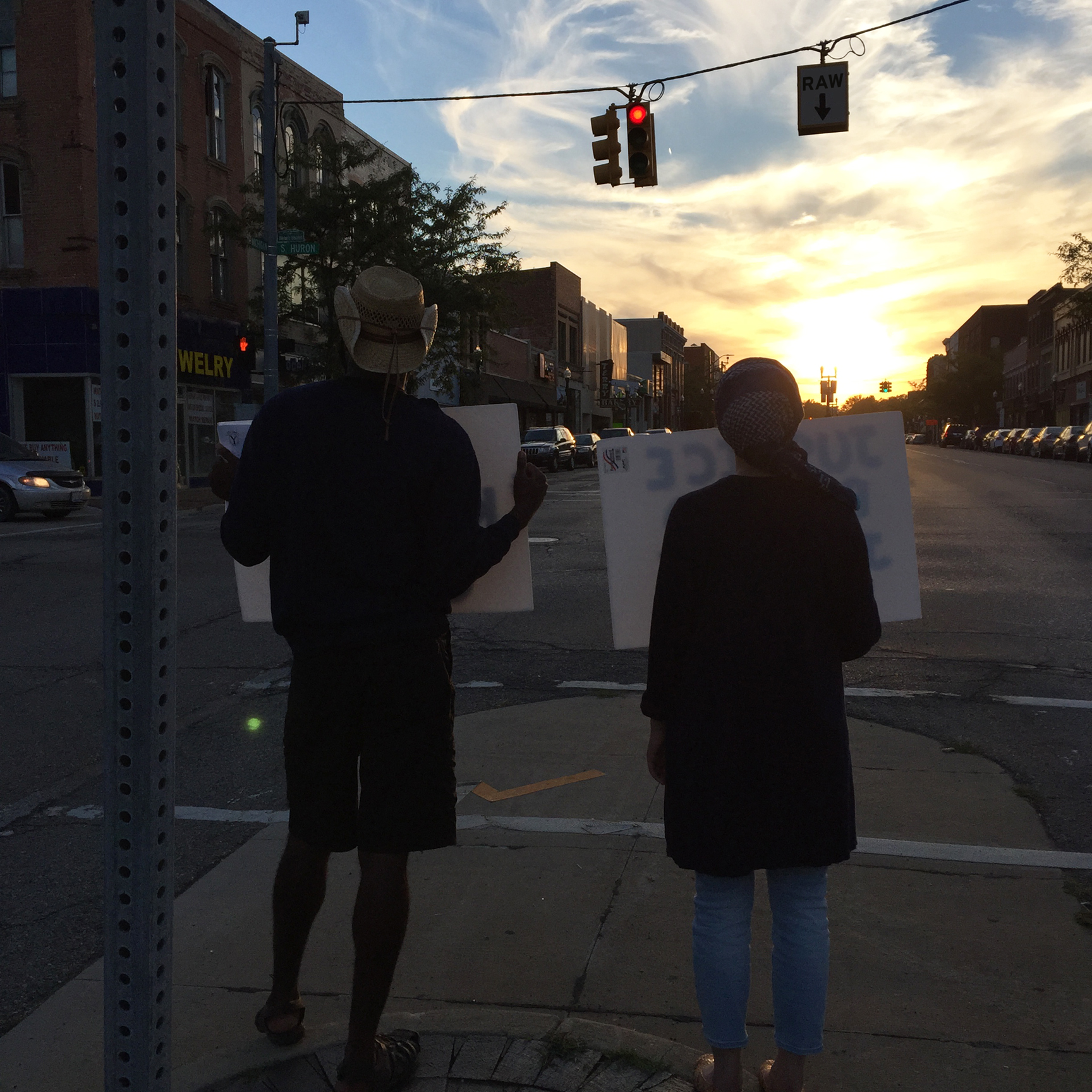
#FreedomTuesdayz

#FreedomTuesdayz
[Editor’s note: Rankine will be reading in Ypsilanti in April.]
A friend recently told me that when she gave birth to her son, before naming him, before even nursing him, her first thought was, I have to get him out of this country. We both laughed. Perhaps our black humor had to do with understanding that getting out was neither an option nor the real desire. This is it, our life. Here we work, hold citizenship, pensions, health insurance, family, friends and on and on. She couldn’t, she didn’t leave. Years after his birth, whenever her son steps out of their home, her status as the mother of a living human being remains as precarious as ever. Added to the natural fears of every parent facing the randomness of life is this other knowledge of the ways in which institutional racism works in our country. Ours was the laughter of vulnerability, fear, recognition and an absurd stuckness.
Some of us are made insane by the autonomy of the not-yet-subjugated.

A hunter from Frankenlust, Michigan.
“My Police Academy Teaches the ‘War on Cops’ Myth,” by Clayton Jenkins
As unconscious, habits of white privilege do not merely go unnoticed. They actively thwart the process of conscious reflection on them, which allows them to seem nonexistent even as they continue to function (Sullivan, 2006, pp. 5–6).
As a white person involved in national antiracist education in the United States for the last 15 years, I have had the unique opportunity to observe, across time and place, consistent patterns of white engagement in discussions about race. Although like most white people, I have been socialized to avoid explicit racial discussions, years of intentional commitment and practice have enabled me to continually challenge this socialization. On a daily basis, I lead or participate in racial discussions, working with both primarily white groups and cross-racial groups—sometimes alone and sometimes with a co-facilitator of color.1 My position leading these discussions allows me a kind of concentrated exposure to the discourses and practices taken up in racial dialogues that function to support white domination and privilege (“whiteness”). Although these discourses and practices have been well documented by others (see Bonilla-Silva, 2006; Picca & Feagin, 2008; Pollock, 2004; Trepagnier, 2007), I focus on the group dynamics involved in the production of whiteness in “real time”; the unspoken, unmarked norms and behavioral patterns that bolster the advantageous social position of whites at the expense of people of color.2
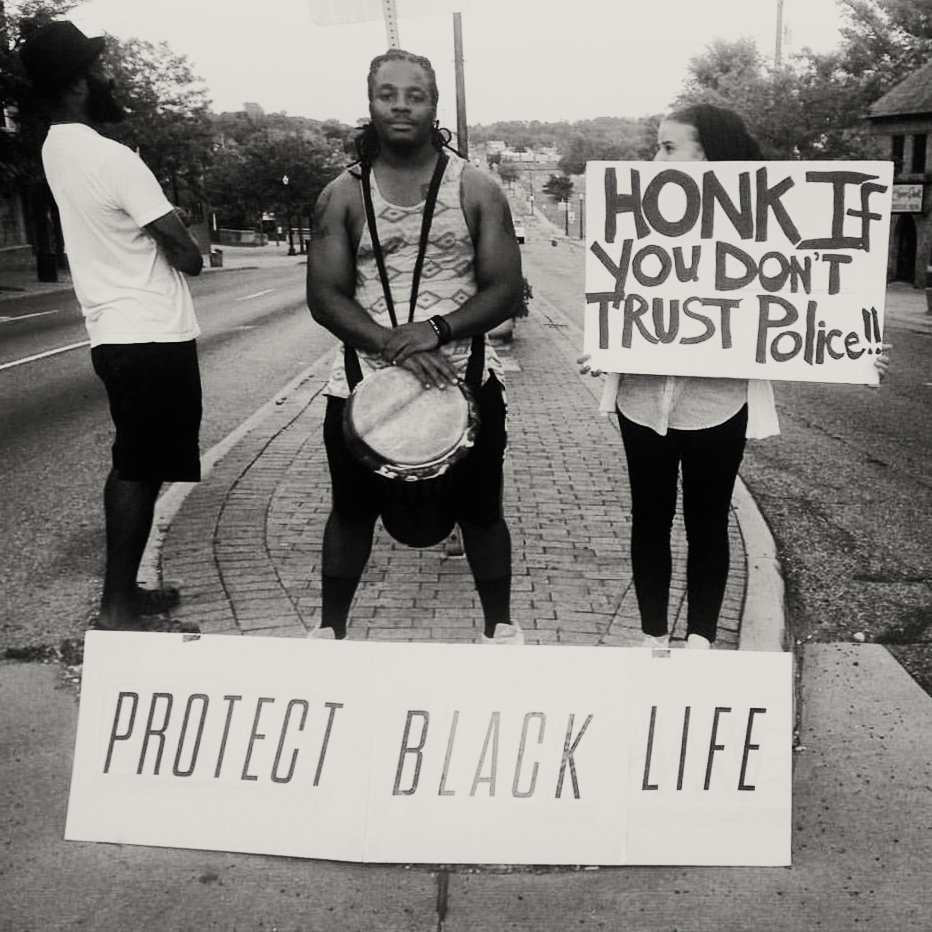
We organize to fully engage all citizens in public life and to build voting power for communities of color, and the under-represented.
All interested parties are encouraged to attend #FreedomTuesdayz (and are welcome to stand in solidarity 6:45–7:45 p.m.) with local concerned citizens near City Hall (1 South Huron St., downtown Ypsilanti).
The Ypsilanti City Council will hold regular meetings at 7 p.m. in City Council Chambers (1 South Huron St., downtown Ypsilanti), on the following dates (first and third Tuesdayz):
Tuesday, September 1, 2015
Tuesday, September 15, 2015
Tuesday, October 6, 2015
Tuesday, October 20, 2015
Tuesday, November 3, 2015
Tuesday, November 17, 2015
Tuesday, December 1, 2015
(Make contact with the organizers for further details.)
From D, spreading the gospel of RAW in the East Bay
Event details are here.
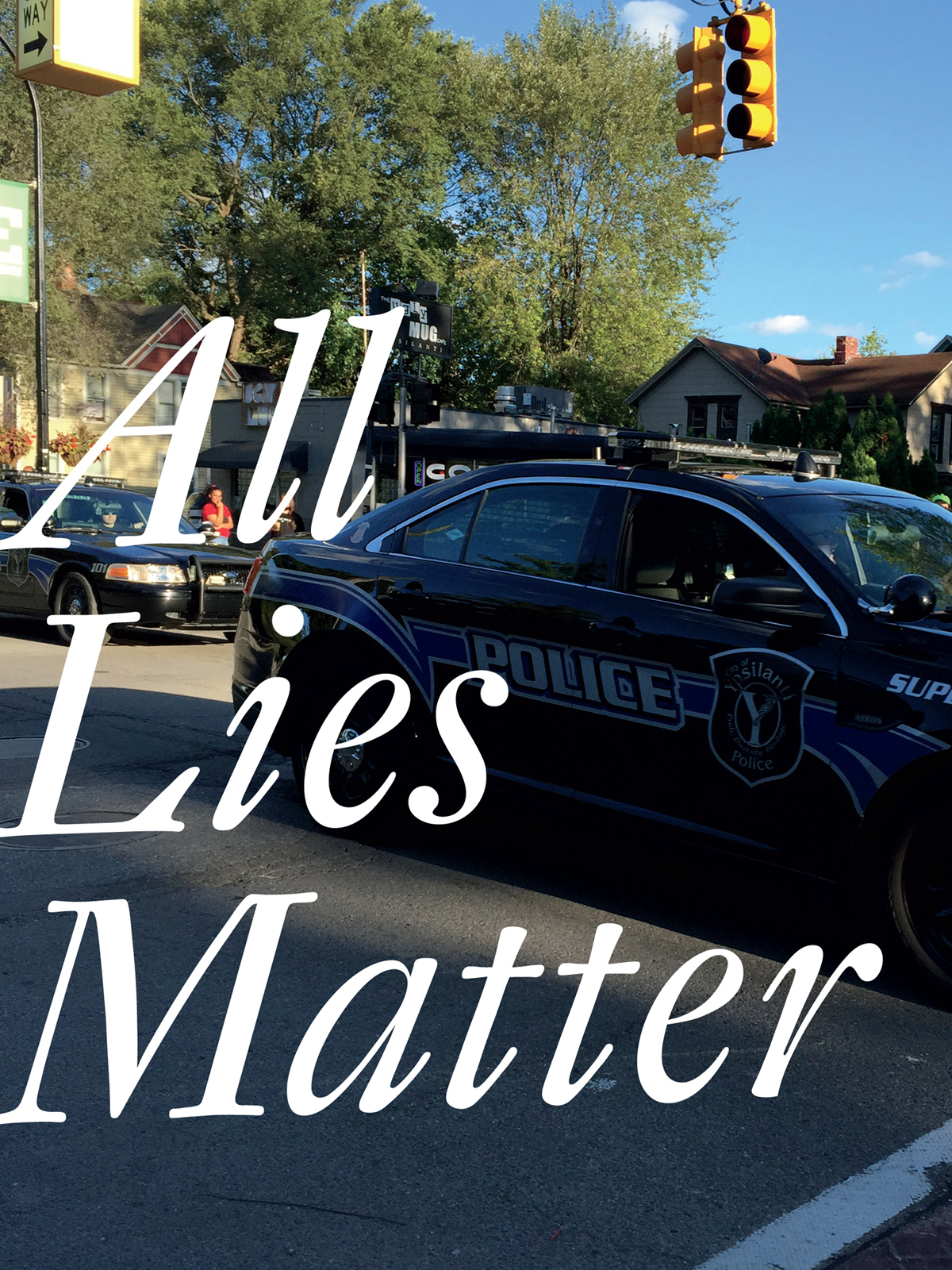
 Radical Washtenaw