Detained in Ypsilanti: Emancipated on Juneteenth

Anthony Morgan

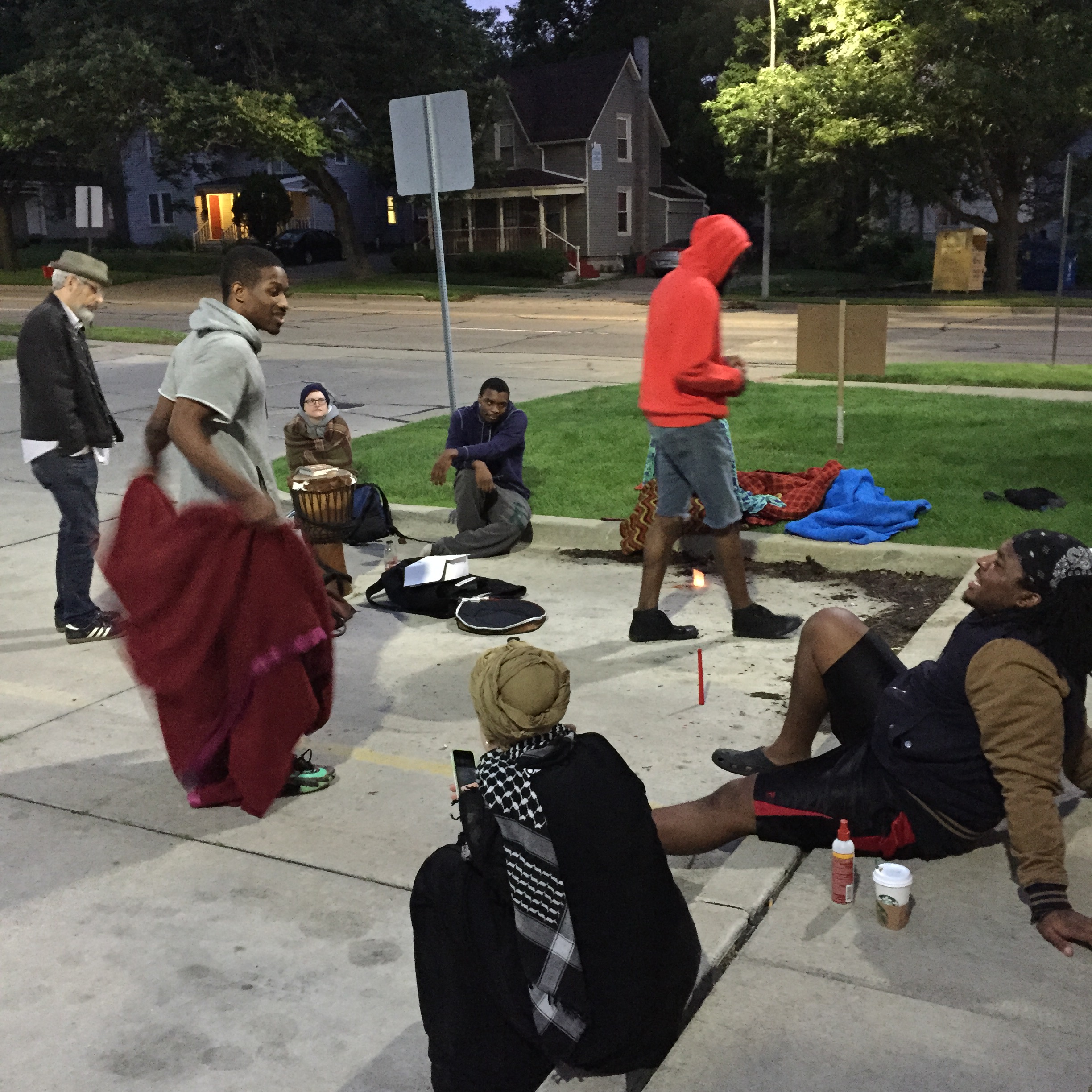
Below is a compilation of notes that I revisited after being detained by the Ypsilanti Police Department on Thursday June 18th at 9:34 p.m. and emancipated on June 19th at 5:57 a.m. without being charged, processed. I was arrested but not informed of my rights. I was detained and isolated without communication. I was placed in uncomfortable conditions and strategically engaged by officers in the department. I was not brutalized, I was victimized. I was not arrested, I was “snatched” and detained. The detainment came shortly after a vigil was held in downtown Ypsilanti as a show of solidarity with the families of the 9 church members slain by a white supremacist in South Carolina just 3 days ago. Many people of all nationalities were in support in peaceful protest. The crowd was informed about being in the street due to how many people there were in attendance. I was engaged by officers who asked for information. I gave them selective information and was immediately detained. I was raced from the scene of passionate supporters to the bowels of the Department because I “appeared to be the figure-head.” I was instantly relieved of my belongings and ushered into confinement. How absolutely fitting is the release from captivity on the Day of June 19th—”Juneteenth”—(the documented date in 1865 in Galveston, Texas) which is perceived as the actual emancipation of blacks and people of color who were being held captive within the United States, though not actually upheld til nearly 100 years later.
Continue reading

Justice Usually Never Embodies The Entire Essence Neglected Throughout History

SKLFL tha Free 1

I once wrote a rhyme about the agenda of America and the opening line starts like this: “at first glance America may be difficult to understand, whether an ideology or a geographical piece of land.” This remains a definite fact for those attempting to explain the greatness, vastness, or the hidden hypocrisies that this very young, powerful, and brutal nation holds.

Continue reading

9 Black Lives

9

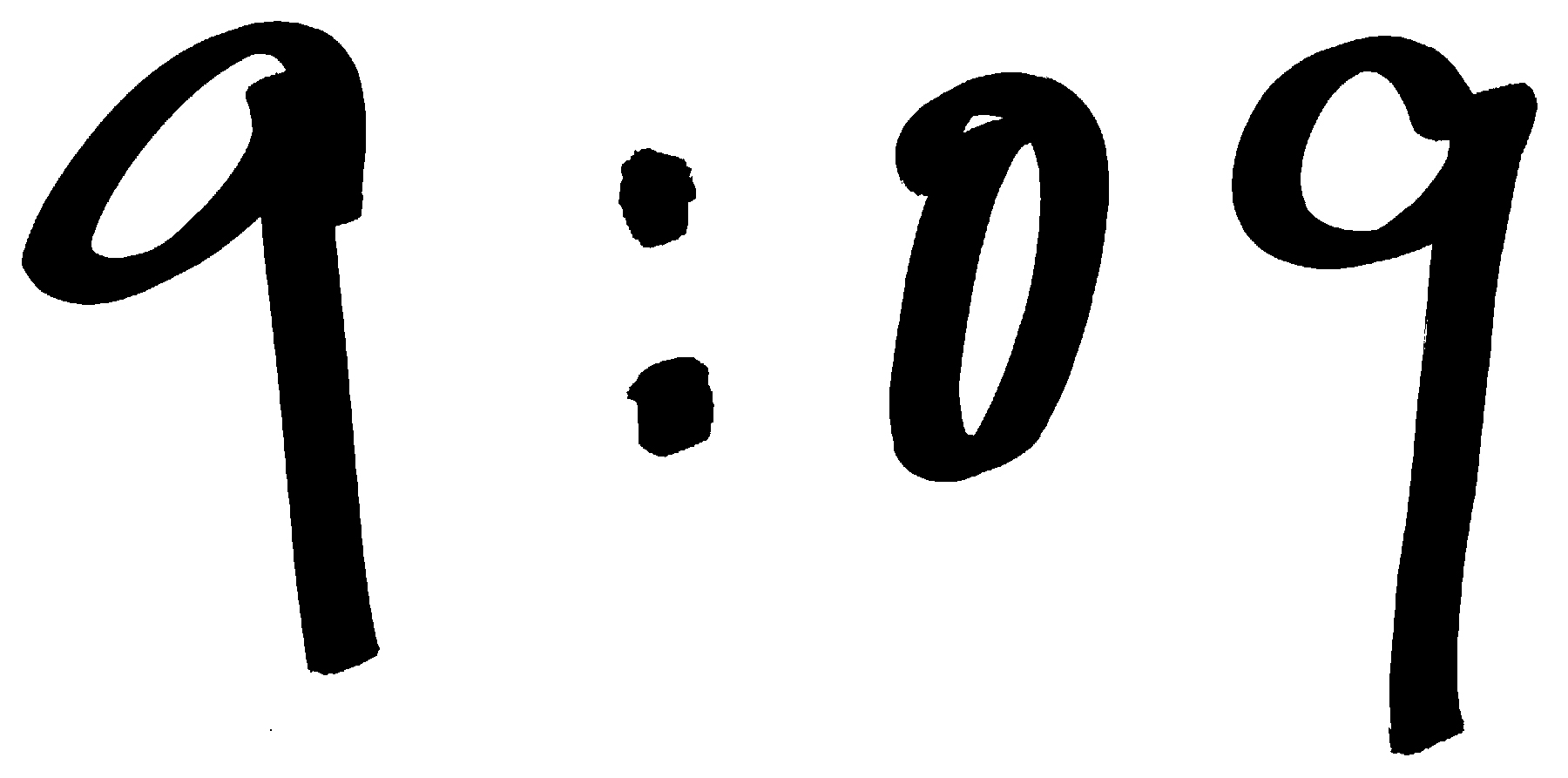
Tonight in downtown Ypsilanti, outside the library at 8:40 we are holding a vigil and rally for the Massacre in North Charleston at Emanuel African Methodist Episcopal Church. Nine Black Lives were taken in the name of white supremacy. Tonight we pay homage and respect to them as a community and stand in solidarity. Come with a candle, and we will have some on site. At 9:09 there will be 9 minutes of silence for the lives stolen. Spread the word! “Faith without works is dead.” See you tonight!

*

For those in Ann Arbor at 8:30, check this out.

The Combahee River Collective Statement

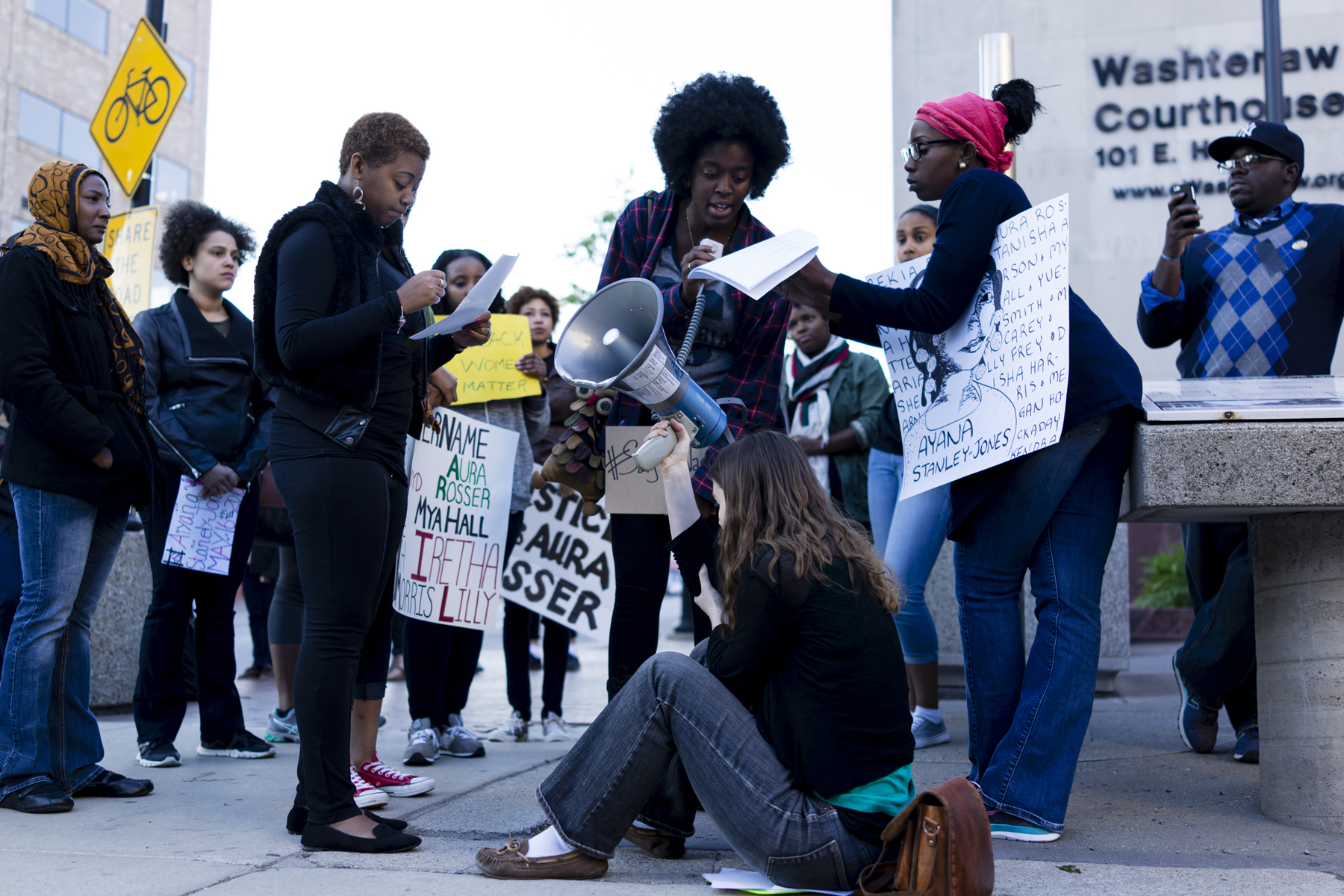
We are a collective of Black feminists who have been meeting together since 1974.1 During that time we have been involved in the process of defining and clarifying our politics, while at the same time doing political work within our own group and in coalition with other progressive organizations and movements. The most general statement of our politics at the present time would be that we are actively committed to struggling against racial, sexual, heterosexual, and class oppression, and see as our particular task the development of integrated analysis and practice based upon the fact that the major systems of oppression are interlocking. The synthesis of these oppressions creates the conditions of our lives. As Black women we see Black feminism as the logical political movement to combat the manifold and simultaneous oppressions that all women of color face.

Continue reading

#SayHerName

Our efforts to combat police violence must expand to address the experiences of all Black people. An intersectional, Black feminist perspective—one that recognizes that categories such as race, gender, gender identity and sexual orientation are not mutually exclusive—demands the inclusion of Black women and girls, transgender and not transgender, lesbian, bisexual and heterosexual—in the dominant discourse around police violence. When the lives of marginalized Black women are centered, a clearer picture of structural oppressions emerges. No analysis of state violence against Black bodies can be complete without including all Black bodies within its frame.

Read the full report here.