The Toxic Problems of the Clarkesville Neighborhood, Ypsilanti

What do you do when a city report confirms what everyone already knew, that your neighborhood sits next to Ypsilanti’s former city dump? What are your options when a study of soil samples of the dump site finds lead, cadmium, chromium, zinc, barium, naphthalene, and methane gas? The residents of the Clarkesville neighborhood, southeast of South Huron and Spring, along Kramer and Bell Streets, are sandwiched in between the I-94, the Huron Street interchange, three gas stations, vacant industrial property, and the old dump. As far back as 1998, the city proposed rezoning the area as “mixed industrial/commercial.” In 2013, at the same time property owners were being notified about the soil toxicity due to the gas stations and dump, the city adopted an updated Master Plan, known as Shape Ypsi. There are echoes of the 1960s battle over urban renewal in the adjacent Parkridge neighborhood, which also bordered the dump and the highway, in the information packet available at the September 6, 2016 City Council meeting: the 2013 Shape Ypsi plan noted the number of neighborhood foreclosures, as well as the dump, highway, and high volume of traffic to support rezoning the neighborhood from R2 residential to production, manufacturing, and distribution (PMD). This meant that the homes in a previously residential district were now “non-conforming,” which limited homeowners’ options. While they are allowed to stay in their homes and sell them as residences, they cannot rebuild or remodel them beyond a certain dollar amount based on the homes’ value. That’s a problem if, say, your house catches on fire.
Continue reading

Real Recognize Real: Dispatches from Minneapolis

The movement around Black Lives Matter in Minneapolis is changing shape and picking up pace. In recent years Minnesotans have seen movements around anti-war, welfare reform, the rights of Indigenous peoples, students, Muslims, LGBT people—and of course the anti-police brutality and Black Lives Matter protests starting in 2015. With the officer-involved shootings of Jamar Clark and Philando Castile among a host of others, people are taking to the streets and organizing.

Continue reading

David Ware: a Vindication

david_ware

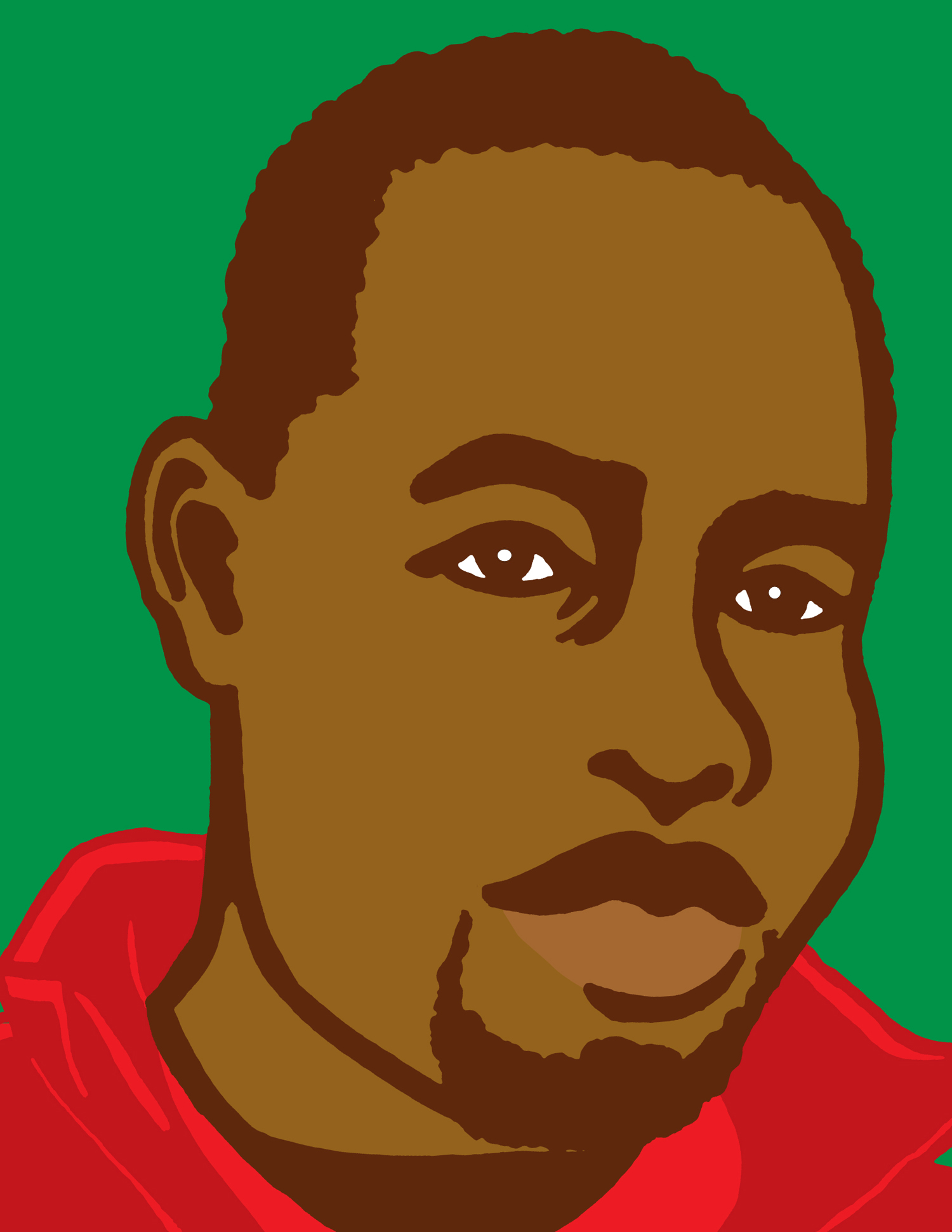
Illustration by Melanie Cervantes

The killing of David Ware by an Ypsilanti Police Department officer in 2007 appears, in 2016, as just a variation of a standard and sick script that plays out with regularity.

Two officers pursued Ware as he fled from the scene of a drug bust outside The Keg Party Store. Ypsilanti Police Department Officer Uriah Hamilton fired the three shots from behind Ware, killing the unarmed 29 year old. The officer’s justification: “I thought he was turning around and reaching for a gun.”

All that officers found on his body was cash. No gun. And while Hamilton and the YPD would have preferred it be a dead man’s word against their own, a witness saw the killing go down from his home.

And the witness says Ware never turned around or reached for his belt.

Continue reading

Vigilante Privilege

arrest

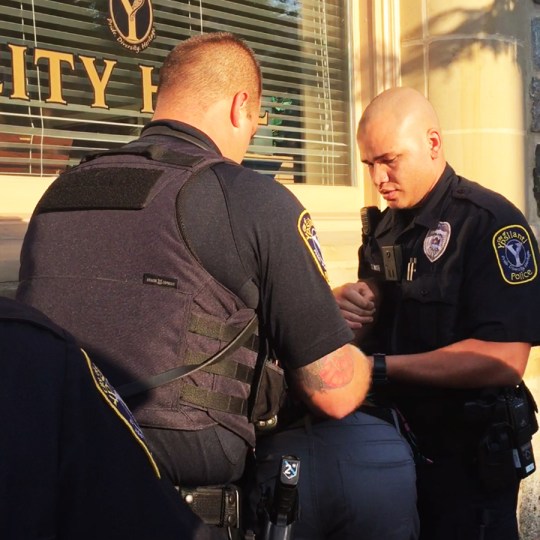
A group of anti-racism activists participating in a demo outside City Hall on August 4, had a posse of YPD officers descend upon them after a call by Haab’s patron Steve Pierce, an Ypsilanti landlord, anti-taxation activist, surveillance afficionado—and COPAC president.

A few things stand out for us from this experience:

—Officer Brendan Harrison, whom some of us recall for getting in our faces hysterically at the very first RAW demo, about two years ago—he parked one of us into our spot at the library parking lot, and wanted to know why we don’t protest “black on black violence”—once again had much to say. When Jeff Clark refused to shake his hand, he called Clark rude, in spite of the fact that Clark is more than justified in having no desire to shake hands with a known harrasser of activists. Harrison asked, again, why Clark wasn’t out protesting “violence on the southside.”

—Is it a conflict of interest, or merely nepotism, when the president of the Community Policing Council calls the police to snitch on a Black activist, and a bunch of cops very quickly pull up to harrass activists, question them about the political theory on which their movement is based, then dramatically arrest one of them?

—If a Black woman called 911 to allege that Steve Pierce was doing X, Y, or Z, would 5 cops roll up, hassle Pierce, and then arrest him, based solely on the verbal testimony of this Black civilian? This question is rhetorical.

—Pierce called the cops to allege the activists were painting on the surface of the road. City Manager Lange angrily stated, once it had been announced to the Council meeting that YPD officers were outside arresting a protester: “Yes I know who Steve Pierce is. He organized the defeat of the Water Street millage!” So let’s get this straight: Pierce is militantly against initiating a tax to help keep Ypsi in the black; he’s president of the cop council; the cop council’s website is hosted by Pierce’s own servers; Pierce has got surveillance cameras hanging up around town; he dislikes street art; he appears to have a direct line to the YPD, or at least to Harrison, who is the YPD’s DDA cop . . . this reads like a poster for paranoid, vengeful, smalltown America.

—When Clark went in to Haab’s to try and converse with Pierce and his wife, to let them know that surveillant vigilantism such as Pierce’s has real-life consequences for Black activists and artists (read: the kind of people we love and support), they both seemed irate, hostile, threatening.

—Speaking of outspoken haters: they are the flipside to the very coin whose frontside is occupied by the roughly 12,000 white Ypsilantians who have not yet done a thing to advance or assist the movement for Black Lives. Which side are you on?

Dignity over Malice, Racism, and Ignorance

117b

Jim Anderson

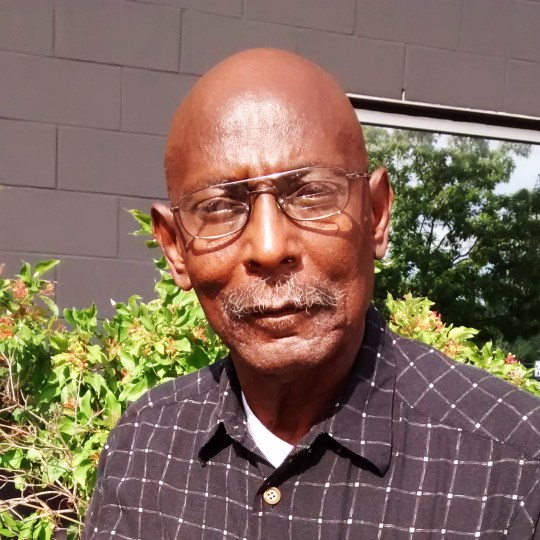
In over six years, Sergeant James Anderson had never told this story publicly until last Monday at the Ypsilanti “Police-Community Relations/Black Lives Matter Task Force” meeting at Ypsilanti High School. A tall, slim, elderly man with glasses wearing a yellow-and-white short-sleeved shirt, he explained that he could not speak too loudly because he can’t help crying every time he talks about the incident.

Continue reading