Protest in Support of Queer and Trans Prisoners

Queer and trans prisoners want the public to know about the corruption in prison and want our help to amplify their voices. Please spread the word!
Here are some of their issues and demands:

Queer and trans prisoners want the public to know about the corruption in prison and want our help to amplify their voices. Please spread the word!
Here are some of their issues and demands:
One of the sturdiest myths of whiteness is that it’s only toxic when it’s tangibly destructive to bodies of color. In the experience of this white writer, as soon as the topics of race or Black Lives Matter come up in white spaces, tones of defensiveness bloom in the room. There’s a ubiquity of declarations beginning “But—” and we all scurry to enumerate for one another all the examples that might prove how we ourselves are not actually racist.
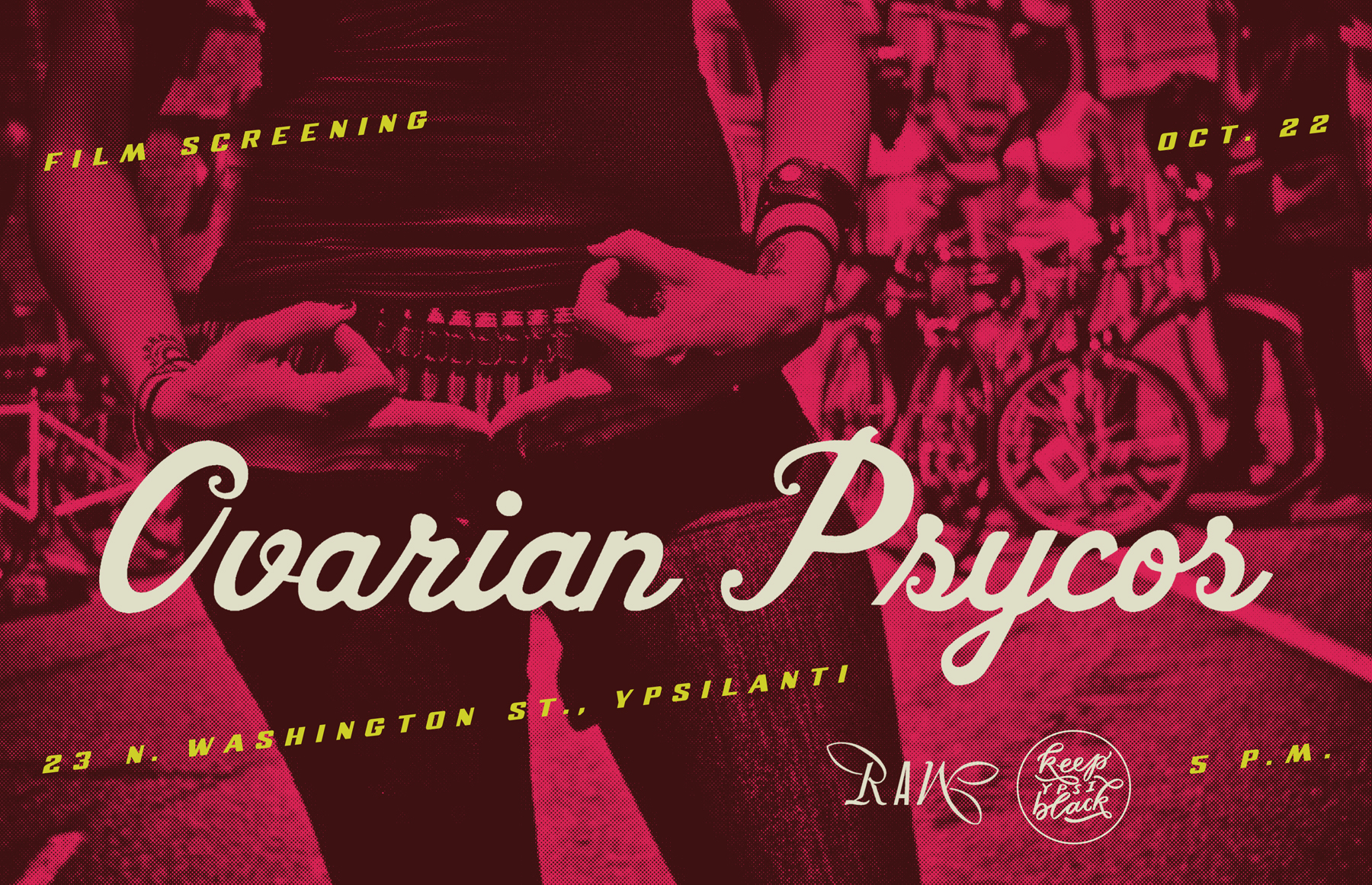
Join RAW+KYB as we premiere the new documentary Ovarian Psycos. Activist/scholar Maria Cotera will introduce the film, and refreshments will be provided. This event is free of charge. Tickets are required.
Ovarian Psycos was established in the summer of 2010 as a response to the legacy of oppression dating back 500 years that has created conditions in which many of us come from broken homes and are survivors of abuse. We choose the bicycle not only because it allows us to exercise our bodies, while trying to reverse the cultural shift from a profoundly respectful relationship with Tonantzin, Mother Earth, into a concrete barren urban jungle, but also because we’re broke inner-city oppressed peoples and cycling is our only means of transportation. For these and many other reasons, we recognize how vulnerable we are on bicycles and work to empower womxn to take back the streets with an understanding that sisters have our back.
We are an all womxn of color bicycling brigade cycling for the purpose of healing our communities physically, emotionally and spiritually by addressing pertinent issues. We envision a world where women are change agents who create and maintain holistic health in themselves and their respective communities for present and future generations.
We, the black students from the football field jail would like to set the record straight on where Eastern Michigan University stands in regards to protest. This letter serves as a reflection on the events of Friday September 23, 2016 at the EMU football game. All that transpired before, during, and after through the eyes of black students.
On Tuesday of last week our campus was attacked, but more than that a specific skin color was called to be out of place. What you must understand is that this is nothing new for us, but came as a shock on such a “diverse” campus. This calls into question what the administration is doing, not only to offer comprehensive programs, classes, and spaces challenging racism, but what it is doing to ensure its students do not hold such biases comfortably.
Every other day it seems there is a new black body formed into a hashtag, and every week it seems there is a video to accompany the murder. All this is coupled with a lifetime of injustice, untreated trauma, and buried history.
When those words were painted on the wall, it was less about the wall or the words, but mostly the comfort it took to create such art on a public space. It was not some shocking egregious act, rather a reminder of what we have always known, what we have always experienced. We learned then that EMU was not so different from the United States.
The university got wind of a potential protest, and rather than standing in solidarity with its students or providing space for them to speak out, they passed out flyers at the entrance to remind us just how far we could go without arrest, and or dismissal from the university. Instead of meeting protesters (read: students) with listening ears and an open mind, EMU called in every police officer it could to squash any disruption that might interfere with a football team. Rather than announcing the injustice or providing a space for the people in the stands to hear us out, our diverse university kept the band as well as both football teams in the locker room during the national anthem to “protect” them from a threat of disruption. Hasn’t this always been the narrative though?
It is not clear what was intended before arriving at the football game, but after being screened with various forms of ID, after being watched for 120 minutes by armed police officers, after being separated and silenced from protesting a national anthem that is now popularly being peacefully used to protest injustice, the university chose to treat a protest as a bomb threat. President Smith gave direct orders for people, students, grieving students to be arrested if they moved any further in grass, which was not prohibited in any outline of the restrictions. President Smith, in an interview, stated how the university supports our efforts, but he along with most of his administrative staff have yet to even publicly affirm that #BlackLivesMatter. Not to mention how he personally gave the order of arrest if students made a move he did not approve of. Meanwhile we navigate a campus suspicious, and afraid that whoever painted that wall is sitting next to us, or much worse, running our university.
We contend that Black Lives Matter.
We assert our rights to peacefully speak out against injustice.
We proclaim that the protests will continue, indefinitely.
Signed,
A Black Student.


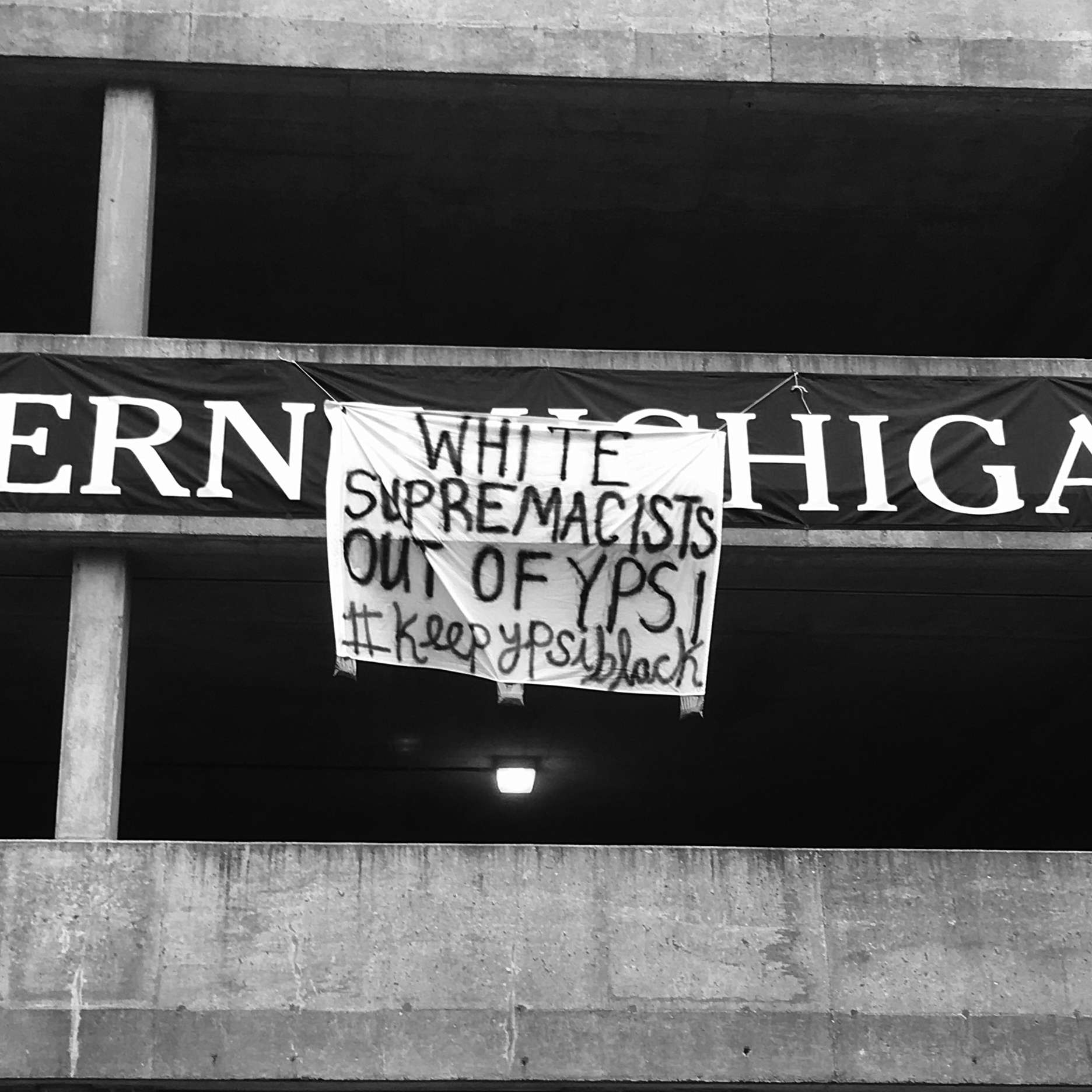
Today a banner was hung at EMU in response to the despicable graffiti found on campus Tuesday morning and as an act of solidarity with black students at EMU and the Black Lives Matter movement. It is not PoC who should be made to feel unsafe in Ypsilanti but the white supremacist, kkk members and sympathizers responsible for the graffiti and their friends who believe their desire to move through a particular intersection at a given time takes (violent) precedence over the collective need to gather in response to a racialized threat. If Eastern Michigan University and the city of Ypsilanti have fostered an environment where anyone feels safe writing racial slurs on walls, then we have failed as a community. Right now one message rings loud and clear: that black lives are less important than white lives, less important than a drive home from work to White Safety. But other voices also ring: voices that say black lives matter, that say #keepypsiblack, and we all need to add our voices, too. If any message should resound in our streets, should drip from the walls of the University, or blow in the breeze by the student center, it is this: that white supremacy has no place in our city and those that seek to uphold it should feel afraid.
On the night of Nov. 9–10, 2014, Aura Rosser was killed in her home by an officer of the Ann Arbor Police Department. Responding to a domestic call, Officer Mark Raab tased Aura, while Officer David Ried simultaneously shot Aura in the heart.
In June of this year, AAPD’s Chief Baird wrote in a memo:
The incredibly tragic incident was justified by any legal, policy or reasonable moral standards. The actions of the responding officers did have a tragic outcome but likely saved the life of the victim in the original domestic violence felonious assault incident that was ongoing when the officers arrived. It was tragic for Ms. Rosser, the officer involved, as well as all who care about either of them. It was tragic for the community as a whole. However, it was a completely justified and reasonable response to the situation the officers encountered that day.
What was “the situation the officers encountered that day”? While neither of the officers were interviewed that night—nor any time since—all residents and guests of the house were taken to the police station for questioning. Some of the interviews (in video, audio, or both) were released on the prosecutor’s website. The interviews with Victor Stephens and Gregory Fairley—the two eyewitnesses to the incident, apart from the officers—reveal repeatedly that Aura was not an immediate threat to Stephens, nor to the officers, and that she was given no time to comply with orders.
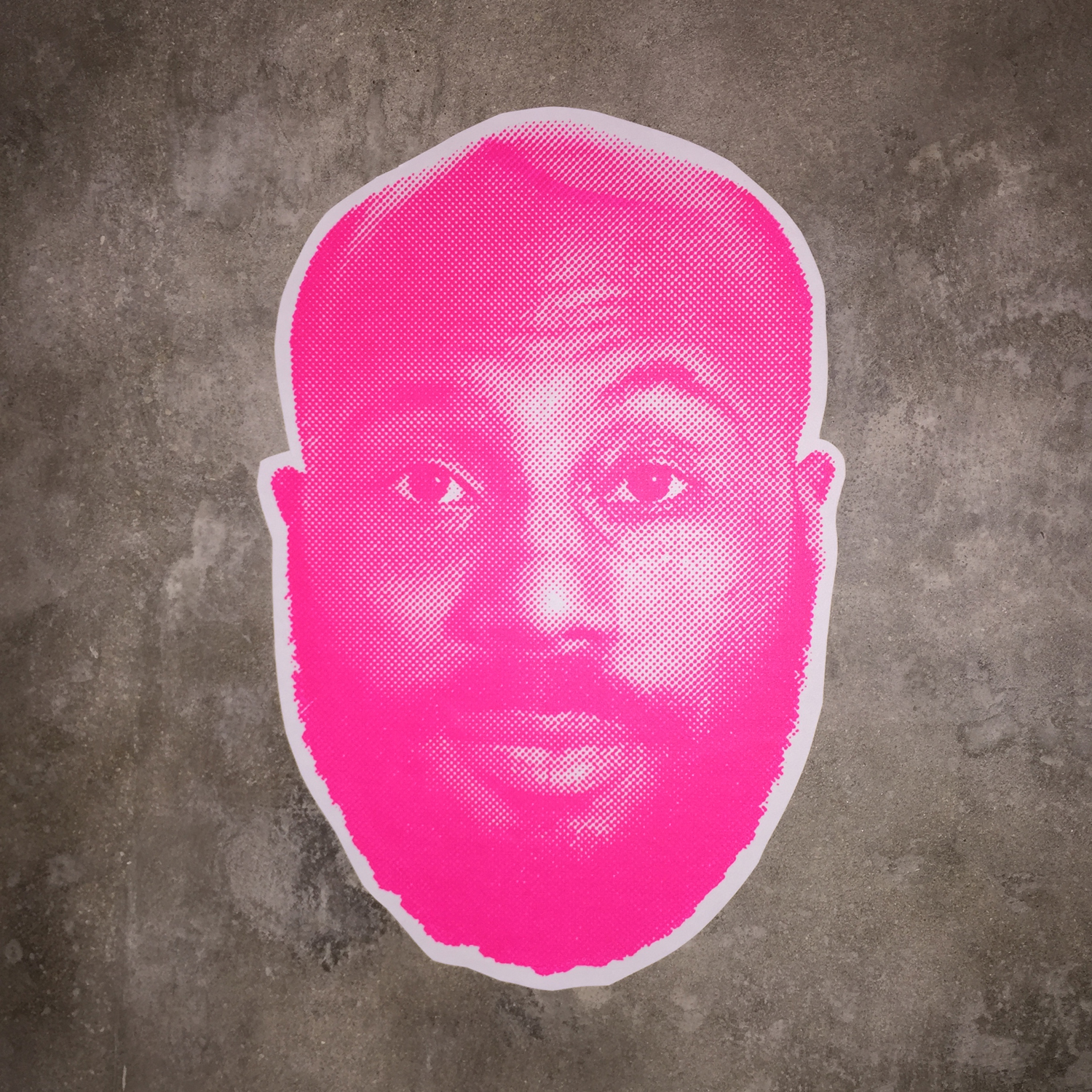
Washtenaw County Prosecutor Brian Mackie will face a challenge at the ballots this November from a grassroots activist who aims to bring police accountability and voter engagement to the forefront of county politics.
Mackie’s challenger is D’Real Graham, program coordinator for 826michigan—a volunteer educational organization. Graham said he wants the role of county prosecutor to be more visible to the public so voters will make informed decisions and not blindly vote along party lines.
“When you think about corrections and who is making decisions, when you identify leadership, the county prosecutor is high on the list,” Graham said. “If we are hoping to have local officials ready to amplify our values we have to know them, we have to talk to them, we have to challenge them.”
A teacher professionally, Graham hopes to increase civic engagement at the local level and greater transparency overall.
“If we don’t understand how the current system operates, we won’t understand how we are losing a workforce every 10 years,” Graham said. “We have more people entering the county jail than we have graduating from Eastern Michigan University. That should register as a problem for … anyone in this community.”
Mackie could not be reached for comment …
Read the rest here.
 Radical Washtenaw